Emergency Flood Damage Restoration & Saltwater Decontamination in Miami
Flooding in South Florida is fundamentally distinct from inland river floods. Driven by tropical depressions, hurricane storm surges, and seasonal king tides, floodwaters penetrating Miami properties routinely carry high concentrations of corrosive sodium chloride, silt, bacteria, and urban runoff. According to the IICRC S500 Standard for Professional Water Damage Restoration, ocean water and street inundation are immediately classified as Category 3 (Black Water), requiring specialized containment, personal protective equipment (PPE), and antimicrobial bio-washing.
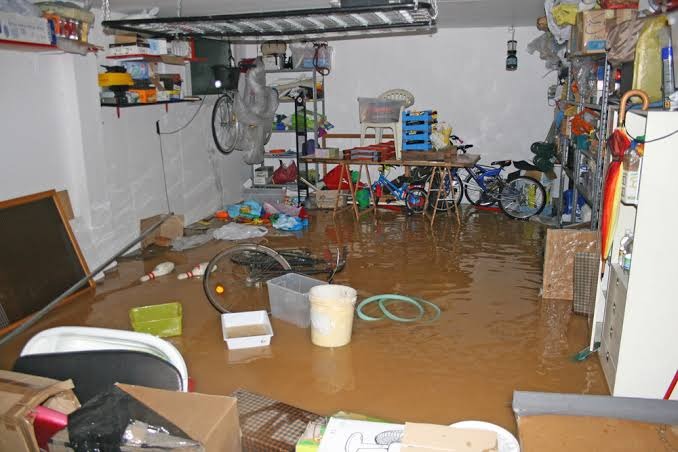
Why Saltwater Floods Require Immediate Desalination
When saltwater penetrates concrete slabs, gypsum drywall, and timber wall framing, the water eventually evaporates, but the microscopic salt crystals remain trapped within the pores of the material. Because salt is naturally hygroscopic, it continuously absorbs humidity directly from Miami's ambient atmosphere (often exceeding 75% RH). This perpetual moisture cycle prevents structural materials from ever reaching their dry standard baseline and corrodes steel reinforcement rebar inside concrete.
| Water Classification | Common Miami Sources | Health & Structural Risk | Required Mitigation Protocol |
|---|---|---|---|
| Category 1 (Clean) | Supply line bursts, rainwater breaches | Low if mitigated within 24 hours | High-CFM vacuum extraction & airflow |
| Category 2 (Grey) | Dishwasher overflow, AC drain line | Moderate microbial proliferation | Disinfection washdown & LGR dehumidification |
| Category 3 (Black) | Storm surge, street runoff, sewage | High bacterial & fungal hazard | Porous drywall flood cuts, desalination & biocides |
5-Phase Post-Flood Action Plan for Property Owners
- Main Electrical Disconnect: Never enter standing water until the main circuit breaker has been isolated and verified by an electrician or emergency responder.
- Deep Bulk Water Pumping: Deploy high-GPM submersible trash pumps to evacuate pooled water down to the surface layer. Coordinate with experts in standing water pumping to protect foundation integrity.
- Controlled Flood Cuts: Drywall saturated with Category 3 floodwaters must be excised at least 12 to 24 inches above the high-water line to allow wall framing cavities to dry thoroughly.
- Psychrometric Cavity Drying: Saturated wall assemblies require closed-system drying with LGR structural dehumidification and drying systems.
- FEMA / Insurance Claim Logging: Ensure all moisture mappings and non-destructive thermal scans are compiled in Xactimate-compatible formats for prompt reimbursement.
Brickell & Coastal High-Rise Flood Considerations
In high-density urban corridors like Brickell (Zip Codes 33129, 33130, 33131) and Miami Beach (33139), flooding frequently impacts sub-grade parking structures, elevator shafts, and ground-floor lobbies. For property management firms and HOA boards, establishing direct ties with licensed disaster teams is essential. View verified regional contact records in our Miami business directory and citations page.
Need Emergency Flood Response in Miami-Dade?
The emergency crew at Miami Rapid Restoration operates 24/7/365 with mobile extraction fleets stationed across Miami.
Direct Emergency Dispatch: (786) 919-0847
Headquarters: 100 SE 2nd St, Suite 2000, Miami, FL 33131